Role of Calcium: Calcium is included in the diet as a supplement to prevent or treat osteoporosis1. Calcium along with Vit D3 plays various roles like building strong bones, protecting older adults from osteoporosis and children from rickets, helping the immune system resist bacteria and viruses, and is required for muscle and nerve functions2. The RDA values range on average from 1000 to 1500 mg/day and slightly increase with physiological demands like growth spurt, pregnancy, and lactation.
What happens with Excess of Calcium intake??
High intakes of calcium, i.e., >2500 mg/day, may result in hypercalcemia and the calcium-alkali syndrome. Studies showed that 9% of women taking calcium supplements in excess had hypercalcemia and 31% had hypercalciuria1. Calcium and its direct relationship with causing deposits in the arteries is a debated topic as calcium metabolism is affected by various pathways. For example, high calcium intake among those with chronic kidney disease (CKD) associated with cardiovascular calcification is more compelling due to PTH(parathyroid hormone) Regulation.2
Does Calcium really cause arterial calcification??
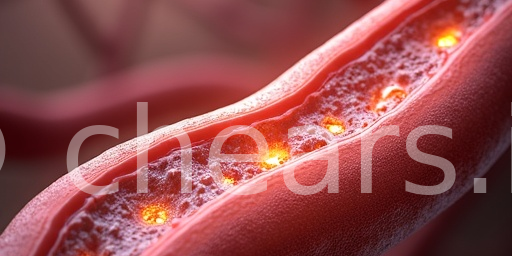
Traditional Framingham risk factors, i.e., smoking, diabetes, hypertension, and dyslipidemia raise a risk of atherosclerotic plaque. The calcium component of atherosclerotic plaque is deposited by a regulated process like normal osteogenesis resulting in ectopic calcification. Together with the lipid component, plaque contributes to luminal narrowing.3 Recent cross-sectional data from a multiethnic population of older Americans ingesting a broad daily range of calcium failed to show a relationship between high calcium intakes (~1400 mg/day) and coronary artery calcification (CAC).4
A multi-Ethnic Study of Atherosclerosis (MESA) included baseline total calcium intake from diet (using a food frequency questionnaire) and calcium supplements (by a medication inventory). Among participants with a baseline CAC of zero, the highest calcium intake (?1453 mg) compared to the lowest intake. Baseline CAC was measured by computed tomography, CAC measurements were repeated in the same subjects 10 years later showed that calcium supplement use was associated with increased risk for incident CAC.1
Several supporting studies suggested that an association exists between high calcium intakes in older adults (ie, calcium supplement loading), and an increase in the risk of CVD, including MI. However, the relationship is complex and appears to depend on the source of calcium intake. Dietary calcium shows protective effect, but calcium supplement is associated with increased risk.
On the contrary low calcium intake (ie, less than 800 mg/day) has also been associated with increased CVD risk. Low bone mineral density (BMD) was linked to vascular calcification in the previous studies as older people may be transferring calcium ions from extracellular bone fluid compartments to vascular sites, in the absence of calcium loading from supplements. MESA study found evidence that calcium supplement use was independently associated with incident CAC, this finding suggests that calcium loading with supplements may not be entirely free of undesirable side effects. Finally, MESA study reassures individuals who are following dietary calcium recommendations by eating high-calcium foods that consuming calcium from diet alone at these levels or higher is not associated with incident CAC. (1,2)
References:
1) Anderson JJ, Kruszka B, Delaney JA, He K, Burke GL, Alonso A, Bild DE, Budoff M, Michos ED. Calcium Intake From Diet and Supplements and the Risk of Coronary Artery Calcification and its Progression Among Older Adults: 10-Year Follow-up of the Multi-Ethnic Study of Atherosclerosis (MESA). J Am Heart Assoc. 2016 Oct 11;5(10):e003815.
2) Institute of Medicine (US) Committee to Review Dietary Reference Intakes for Vitamin D and Calcium; Ross AC, Taylor CL, Yaktine AL, et al., editors. Dietary Reference Intakes for Calcium and Vitamin D. Washington (DC): National Academies Press (US); 2011. 5, Dietary Reference Intakes for Adequacy: Calcium and Vitamin D. Available from: https://www.ncbi.nlm.nih.gov/books/NBK56056/
3) Anderson JJ, Klemmer PJ. Risk of high dietary calcium for arterial calcification in older adults. Nutrients. 2013 Sep 30;5(10):3964-74. doi: 10.3390/nu5103964. PMID: 24084054; PMCID: PMC3820054.
4) Anderson, J.J.B.; He, K.; Delaney, J.A.C.; Burke, G.L.; Alonso, A.; Bild, D.E.; Budoff, M.; Michos, E.D.; Klemmer, P.J. Calcium intake and arterial calcification: Results of the Multi-Ethnic Study of Atherosclerosis (MESA). Unpublished work, 2013.
